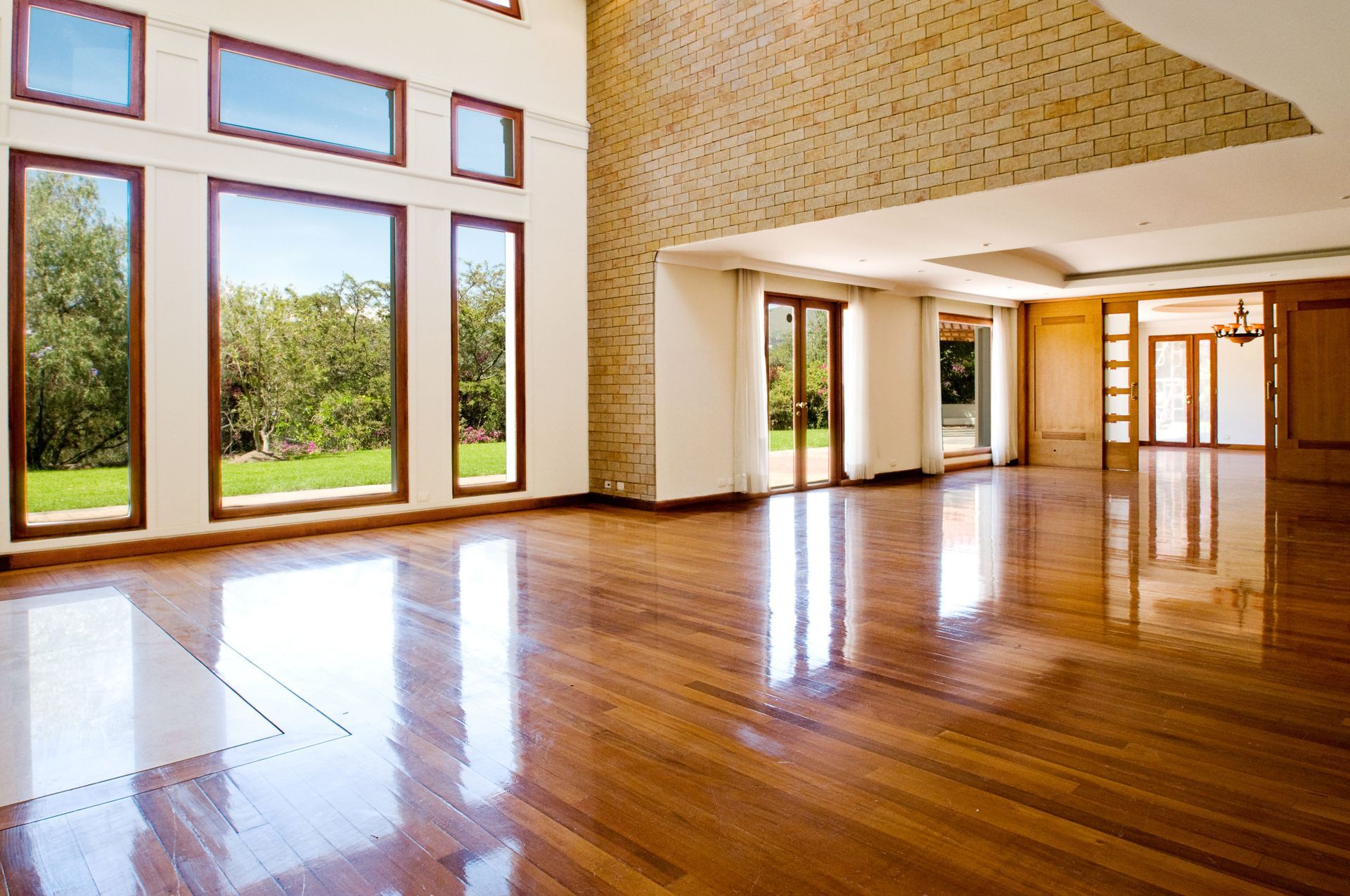
Natural light is more than a design feature—it’s a vital element that shapes how we experience interior spaces. From boosting mood and productivity to reducing energy costs, sunlight enhances both the aesthetics and functionality of a home or office. Thoughtful window placement, glazing choices, and light management can transform ordinary rooms into vibrant, healthy environments. Understanding the role of natural light building supplies allows homeowners and designers to create spaces that feel open, inviting, and perfectly aligned with daily living needs.
The Role of Natural Light in Interior Spaces
Natural light streaming through windows is a fundamental aspect of architectural design, essential for enhancing human comfort and productivity. It’s widely recognized that sufficient daylight improves not only the visual aesthetics of a room but also contributes to health benefits, reducing stress and increasing alertness. The abundance of natural light can significantly diminish the need for artificial lighting, leading to decreased energy consumption and utility costs. The psychological impact is profound, with studies showing that sunlight boosts mood and supports circadian rhythms, promoting better sleep patterns. For these reasons, architects often prioritize window placement to capture the optimal amount of daylight.
Effective utilization of natural light depends on window placement and size, ensuring that rooms are adequately illuminated without causing glare. Houses oriented towards the south tend to capture the most sunlight throughout the day, maximizing its benefits. Large windows, especially those without obstructions, allow for greater penetration of natural light, creating an expansive and open feel to interior spaces. However, architects must balance this with the risk of overheating and the sun’s glare. Technology now enables smart solutions, with dynamic glass and automated shading systems tailoring and optimizing light levels within a building.
Strategic window placement integrates modern technology to harness sunlight effectively while controlling illumination levels across different areas. As light moves naturally, rooms must be designed to leverage the changing intensity for diverse functions, such as reading, dining, or resting. Here, digital tools and simulation software help architects predict light patterns and customize window locations to match user needs. Capturing ideal light involves various window styles and treatments, driving aesthetic choices that also cater to functional demands. Intentional design also explores multi-directional window layouts, capturing daylight from multiple angles to ensure consistency and comfort.
Windows as a Tool for Mood and Aesthetics
Windows profoundly influence the ambiance of interior spaces, acting as a medium between the interior and the surrounding environment. By deciding on specific window styles, such as bay windows or skylights, homeowners can tailor the mood and character of a room. The tonal quality of light entering a room through specialized glazing can also determine the aesthetic appeal, from warm, soft hues in the morning to cooler shades in the afternoon. This dynamic interplay between light and shadow adds a temporal dimension to design, giving spaces a unique identity at various times of the day. Notably, windows frame exterior views, enhancing a room’s connection to the outdoor landscape.
The choice of color and building supplies in window design is critical for achieving a desired look and feel. Whether it’s sleek aluminum frames for a modern home or rustic wood for a more traditional appearance, building supplies serve both functional and aesthetic roles. Furthermore, the transparency and tint of window panes can manipulate light quality and outdoor views. For example, tinted glass can soften harsh sunlight, while clear glass offers uninterrupted views of nature. Designers also experiment with window shapes, elevating spaces with unconventional geometrical patterns that attract the eye and add character.
Ventilation and Airflow Management
Windows are pivotal in managing ventilation and maintaining healthy indoor air quality. Different types of windows offer varied ventilation properties, from casement windows allowing full-opening airflow to awning windows that facilitate air circulation with partial opening. Well-placed windows enable cross-ventilation, efficiently expelling stale air and reducing reliance on mechanical ventilation systems. This passive cooling technique is invaluable during warmer months, enhancing comfort while conserving energy. Window design and orientation can differ based on prevailing wind direction, ensuring optimized ventilation to support occupant health and reduce humidity levels inside a building.
According to Consumer Affairs, windows can last from 20 to 40 years, which indicates the importance of choosing high-quality building supplies and maintaining them well to ensure longevity and continued performance in airflow management. Advanced window designs also incorporate automated systems that enable natural ventilation through smart technologies, adjusting window positions in response to environmental cues. Automation enhances comfort, particularly in smart homes, where electronic controls regulate window operation based on temperature and air quality sensors. As technology evolves, the integration of AI in window design could further optimize indoor environments, anticipates changes in real-time, and offers bespoke solutions catering to shifting user needs.
Thermal Comfort and Energy Efficiency
The thermal properties of windows significantly affect a building’s energy efficiency and the occupants’ comfort. Well-insulated windows, equipped with durable frames and proper glazing, help maintain a consistent indoor temperature, reducing the need for excessive heating or cooling. The type of window, from double to triple glazing, impacts thermal performance by minimizing heat transfer. As building supplies standards tighten, energy-efficient window solutions with low-emissivity coatings become essential in contemporary architecture. These advancements contribute to sustainability goals, conserving energy and reducing carbon footprints.
Window orientation is fundamental in managing sunlight exposure, with south-facing windows harnessing maximum sun energy in cooler climates, while east or west orientations moderate heat gain during warmer seasons. Solar heat gain can be a benefit or a challenge, depending on seasonal changes and building location. The role of glazing is crucial, with options like tinted, reflective, or spectrally selective windows optimizing temperature control. Together, these choices balance thermal comfort, ensuring building supplies remain pleasant irrespective of weather conditions.
The Influence of Windows on Spatial Layout
Windows are instrumental in shaping spatial dynamics and influencing how rooms are perceived and utilized. They establish a visual connection with the outside world, affecting the perceived size and openness of a room. Large, strategically placed windows can make a small space appear more expansive, creating an impression of limitless boundaries. Aligning furniture with window designs enhances functionality, ensuring that natural light and views are maximized. When considering open-plan layouts, windows should guide the flow of spaces, demarcating different zones without compromising on light or view access.
Furniture placement often revolves around window locations, affecting the room’s overall layout and use. By positioning seating areas to engage with views and light sources, rooms remain well-lit and refreshing, drawing inhabitants towards these spaces. Thoughtful alignment extends to balancing other elements, such as considering glare on screens or defining functional zones. Within open-plan settings, windows serve as both dividers and unifiers, directing movement and offering visual separation. Strategic use of windows for zoning can delineate dining areas, reading nooks, or workspace sections, providing psychological comfort and clarity.
Harnessing natural light effectively elevates the comfort, beauty, and efficiency of any interior. By strategically designing window placement, selecting the right building supplies, and integrating modern technologies, you can maximize daylight’s benefits while controlling glare and heat. Don't leave your home's potential in the shadows; consult the professionals at Builders Supply Co, Inc. today to design beautiful interiors that shine with natural light and transform the way you live and work.