July 28, 2026
Construction projects often require materials that balance strength, consistency, and long-term performance. One material that has become increasingly common in residential and commercial construction is engineered lumber. It is designed to meet structural demands while providing reliable performance in many different applications. Builders, architects, and engineers often select materials based on the unique needs of each project, making careful planning an important part of the construction process. This article explains the benefits of engineered lumber, where it is commonly used, and why working with construction professionals helps support the success of a project.
Understanding Material Performance
Construction materials play an important role in the strength and stability of a structure. Builders often compare factors such as durability, consistency, load-bearing ability, and long-term performance before selecting framing materials. Every project has different structural requirements, and choosing suitable materials early in the planning process helps support efficient construction. Materials are often selected based on engineering plans, expected building loads, and environmental conditions that may affect long-term performance.
Engineered lumber is manufactured by combining wood fibers, strands, veneers, or other wood components into structural products designed for specific building applications. The manufacturing process creates materials with more consistent dimensions than traditional solid lumber. This consistency helps support accurate construction planning and dependable structural performance. Construction professionals evaluate building plans, span requirements, and structural loads before selecting framing materials. Matching the material to the project's needs helps create a stable framework that supports the overall structure from the beginning of construction through long-term use.
Comparing Structural Consistency
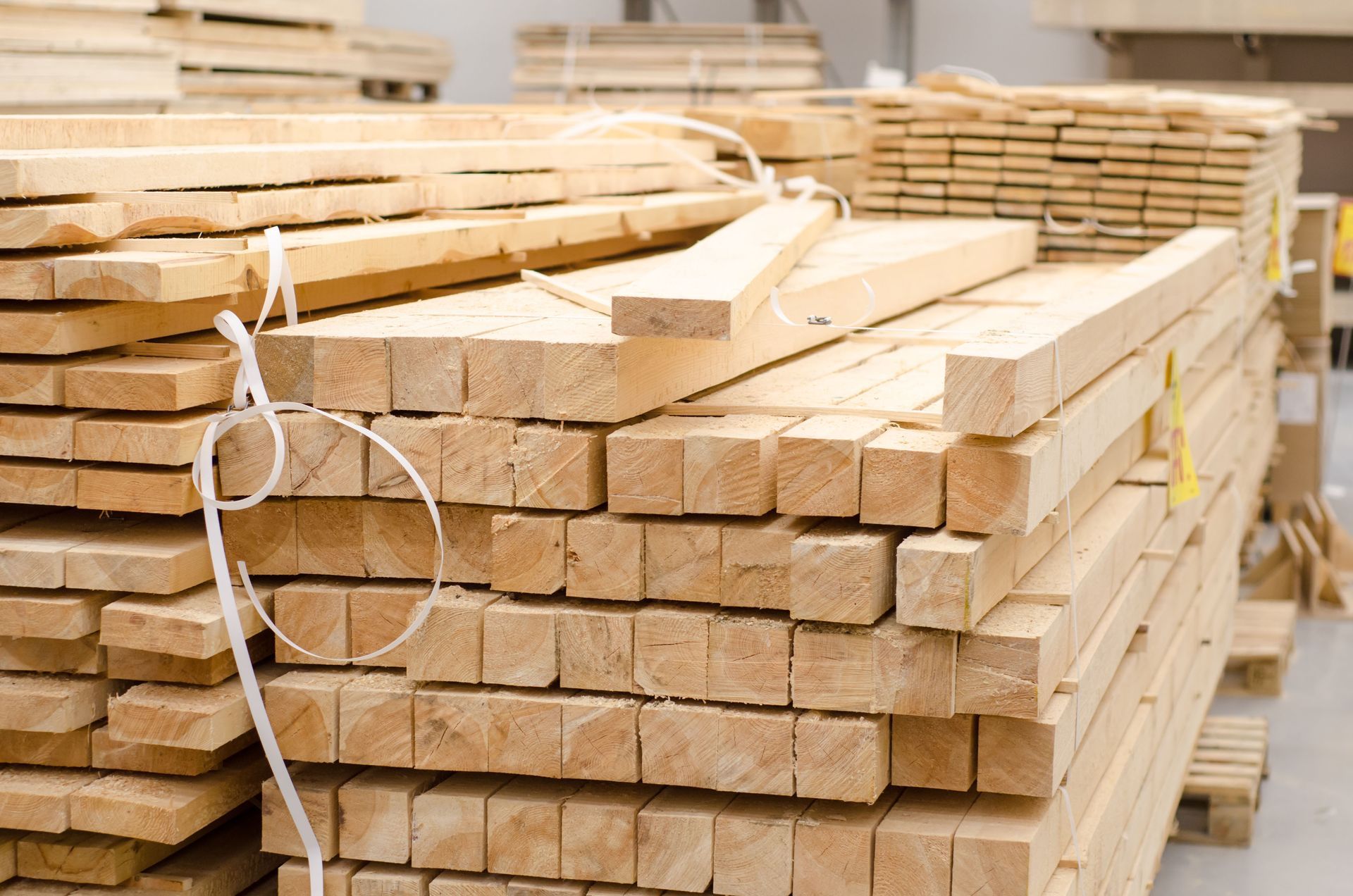
Natural wood contains knots, grain variations, and other characteristics that can affect performance. While traditional lumber remains an important building material, its natural variations sometimes require additional consideration during construction. Differences in grain patterns, moisture content, and natural growth characteristics can influence how individual boards perform. These variations are one reason construction professionals carefully review material options before beginning structural work.
Engineered lumber is produced to provide greater uniformity throughout each piece. Consistent dimensions and predictable structural properties allow builders to work with materials designed to meet specific engineering standards. This consistency can simplify planning during construction because framing members are manufactured with dependable specifications. When materials perform as expected, project teams are better able to coordinate framing, structural connections, floor systems, and roof assemblies. Professional planning helps identify which framing materials are appropriate for different portions of a project based on design requirements, applicable building standards, and the intended use of the completed structure.
Supporting Larger Structural Designs
Many modern buildings include larger open spaces than older construction methods typically allowed. Wide rooms, long hallways, open floor plans, and taller ceilings often require framing materials capable of supporting greater spans without adding unnecessary structural complexity. Commercial buildings, schools, offices, and residential properties may all benefit from framing systems designed to accommodate these larger spaces.
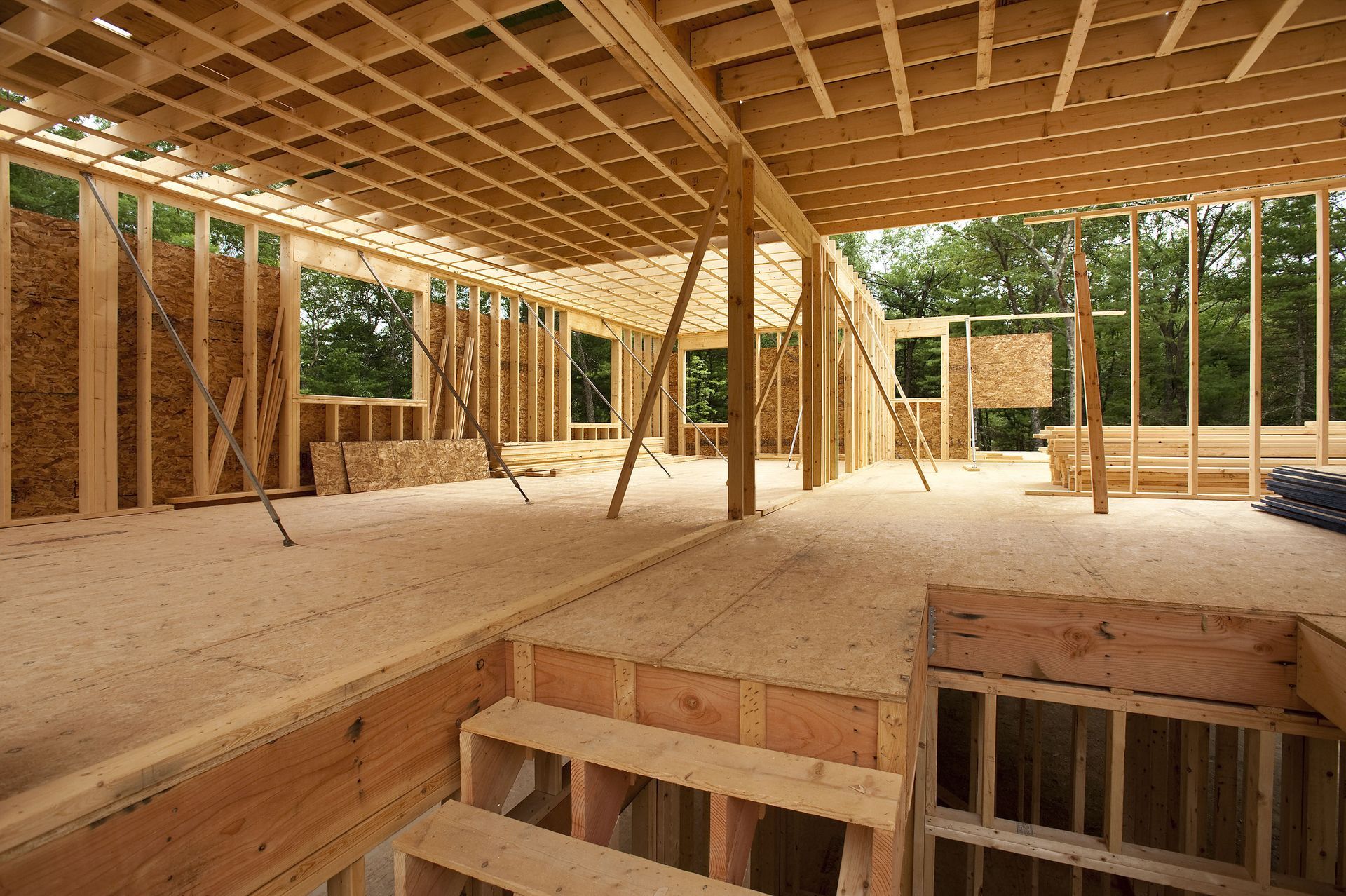
Because engineered lumber is designed for structural performance, it is commonly used where longer spans or increased load capacity are required. This allows designers greater flexibility when creating floor plans and structural layouts while reducing the need for additional support points in some applications. Construction professionals evaluate engineering requirements before selecting structural materials. Proper planning helps determine where different framing products provide the greatest benefit while meeting project specifications. Selecting materials that match structural requirements also supports efficient construction schedules by helping each stage of framing proceed according to plan.
Improving Material Efficiency
Construction projects often focus on using building materials efficiently while reducing unnecessary waste. Manufacturing methods have made it possible to maximize the use of available wood resources while producing structural products designed for demanding applications. Material efficiency has become an important consideration as construction activity continues across residential, commercial, and public infrastructure projects.
According to This Old House, engineered lumber saves trees by using more of the whole tree, typically 30% more than sawn lumber. This manufacturing approach allows more usable material to be produced from each harvested tree while reducing unused wood during production. Improved material efficiency supports ongoing construction demands while making better use of available natural resources. Professionals consider both structural performance and material availability when planning construction projects. Selecting appropriate materials early helps support efficient scheduling, coordinated deliveries, and consistent progress throughout each phase of construction.
Reducing Dimensional Changes
Wood naturally responds to changes in temperature and moisture over time. These conditions can influence how some materials expand, shrink, or change shape during the life of a building. Seasonal weather patterns, humidity levels, and regional climate conditions all affect construction materials to varying degrees. Considering these factors before construction begins helps support better long-term performance.
One advantage of engineered lumber is its ability to provide more consistent performance under changing environmental conditions. Manufacturing methods help reduce some of the natural variations associated with solid wood products. Greater dimensional stability can contribute to more predictable construction results while supporting accurate installation throughout the framing process. Building professionals consider environmental conditions, project location, and structural requirements when selecting framing materials for each application. Careful planning helps determine where different structural materials may provide the greatest long-term value while supporting reliable building performance for years after construction is complete.
Expanding Construction Applications
Modern construction projects include a wide variety of structural designs. Homes, commercial buildings, additions, educational facilities, healthcare buildings, retail spaces, and public buildings all require framing materials suited to their specific needs. Different structural systems often require different framing products depending on span requirements, building height, and engineering specifications.
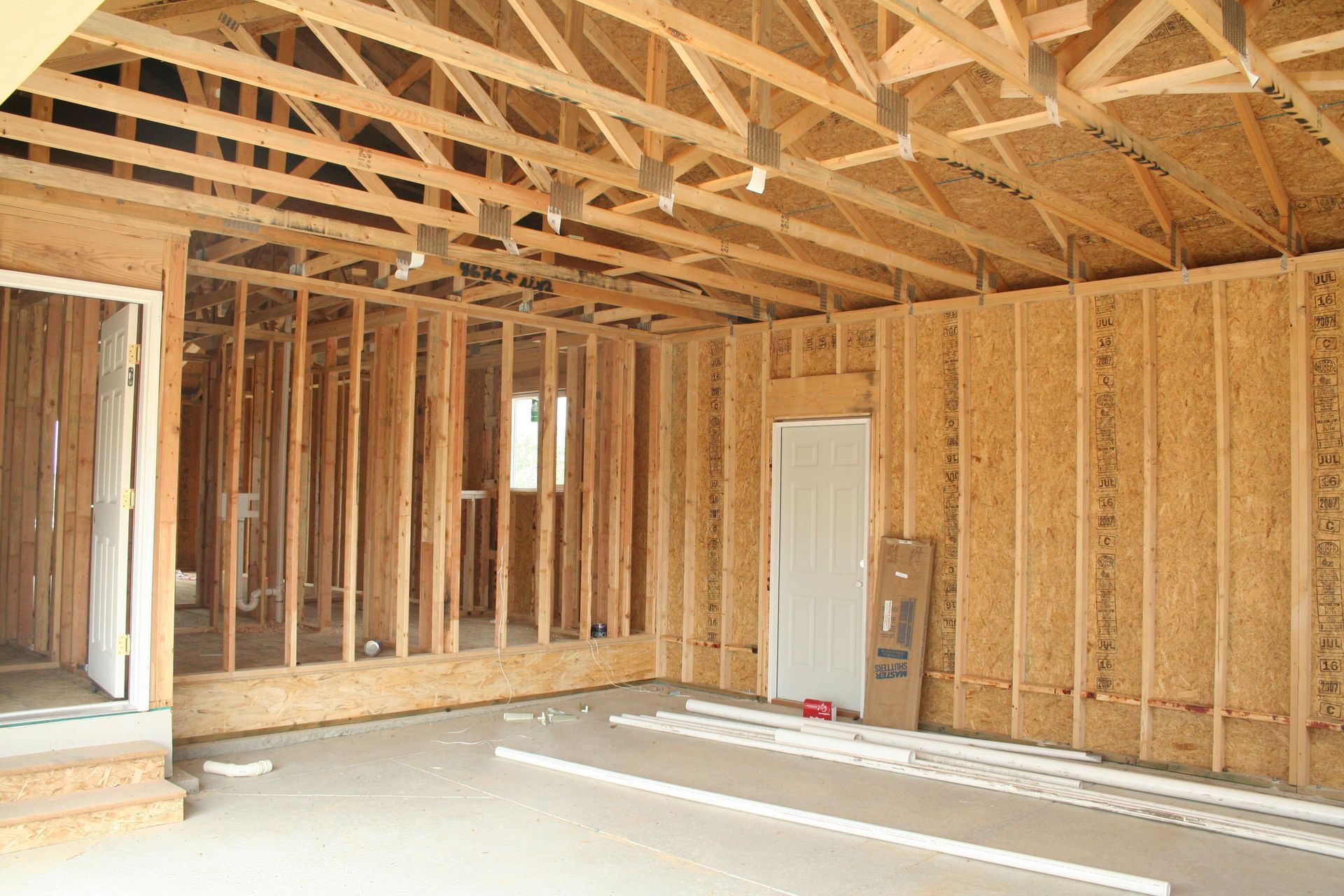
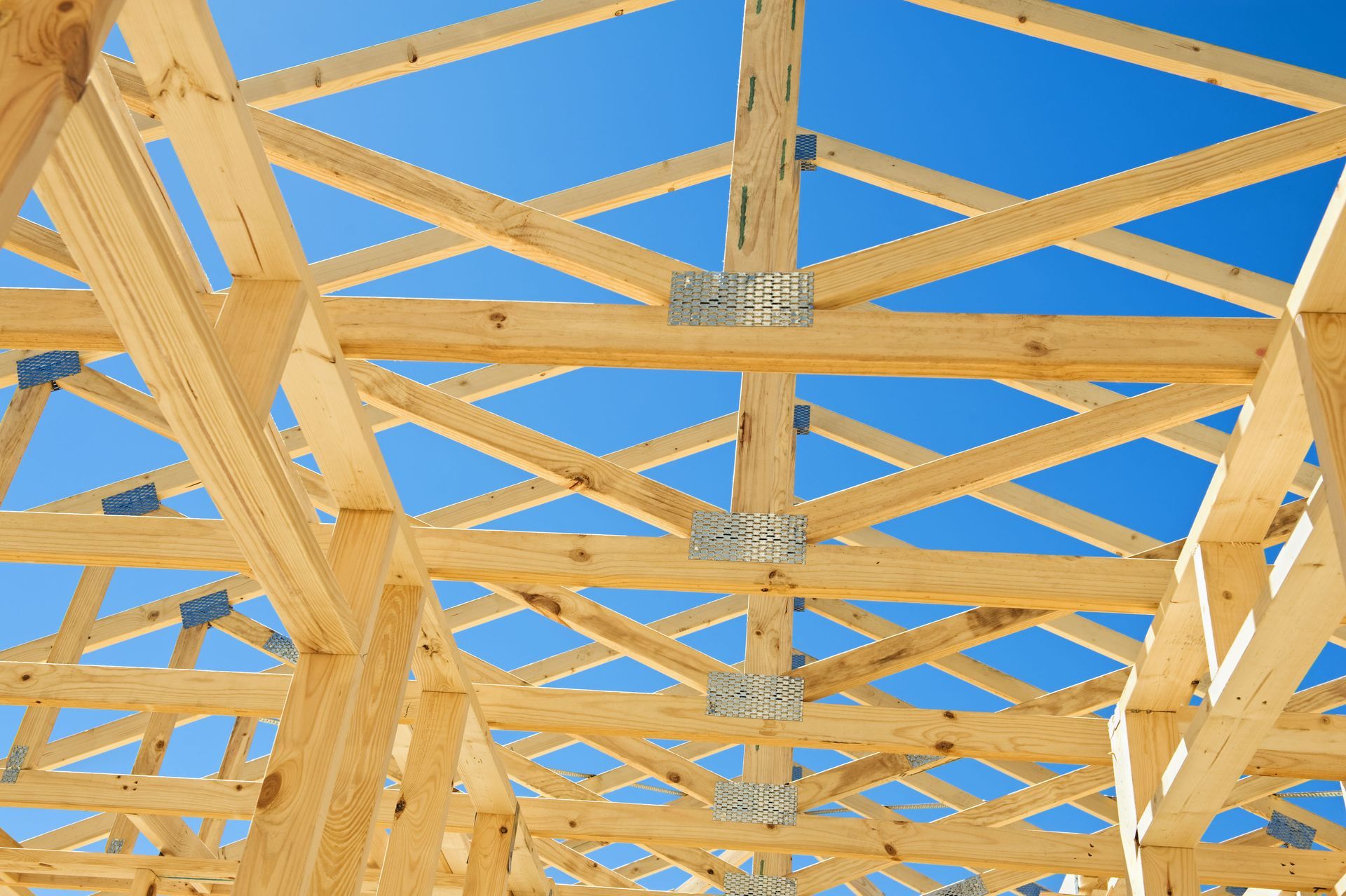
Engineered lumber is commonly used in floor systems, roof framing, beams, headers, wall framing, and other structural components. Different products are designed for different applications, allowing professionals to match materials to engineering requirements while supporting the overall structural design. Each project has unique design goals and building specifications. Construction teams review architectural plans before determining which structural materials are appropriate for each phase of construction. Using materials designed for specific structural purposes helps support consistency throughout the building process while contributing to efficient project coordination from start to finish.
Considering Long-Term Value
Building materials are often selected with long-term performance in mind. Durability, structural consistency, efficient use of resources, and dependable manufacturing all contribute to the overall value of a completed project. Construction professionals consider both current project requirements and future building performance when evaluating framing materials.
Professionals review building codes, engineering specifications, environmental conditions, project budgets, and structural design before making material recommendations. Careful planning helps align material selection with both immediate construction needs and long-term building performance. Choosing engineered lumber for appropriate structural applications can support reliable construction while meeting the requirements established during project planning. Early coordination between designers, engineers, contractors, suppliers, and project managers also helps reduce scheduling interruptions while supporting a smoother construction process.
Selecting structural materials involves more than comparing product names. Building size, design requirements, local building codes, environmental conditions, engineering calculations, and construction schedules all influence material selection. Construction professionals evaluate these factors before recommending framing materials for each project, helping coordinate structural requirements with available materials and overall project goals. Careful planning and communication throughout the construction process help materials arrive when needed, reduce unexpected changes, and support successful project completion.
Choosing the right framing materials plays an important role in the success of any construction project. Consistency, structural performance, dimensional stability, efficient use of resources, and dependable long-term performance all contribute to the advantages that engineered lumber provides in many building applications. Careful planning and professional guidance help match materials to project requirements while supporting quality construction from the foundation through the completed structure. If your next project requires engineered lumber, contact Builders Supply Co, Inc to discuss material options and find the right products for your construction needs.